Projects
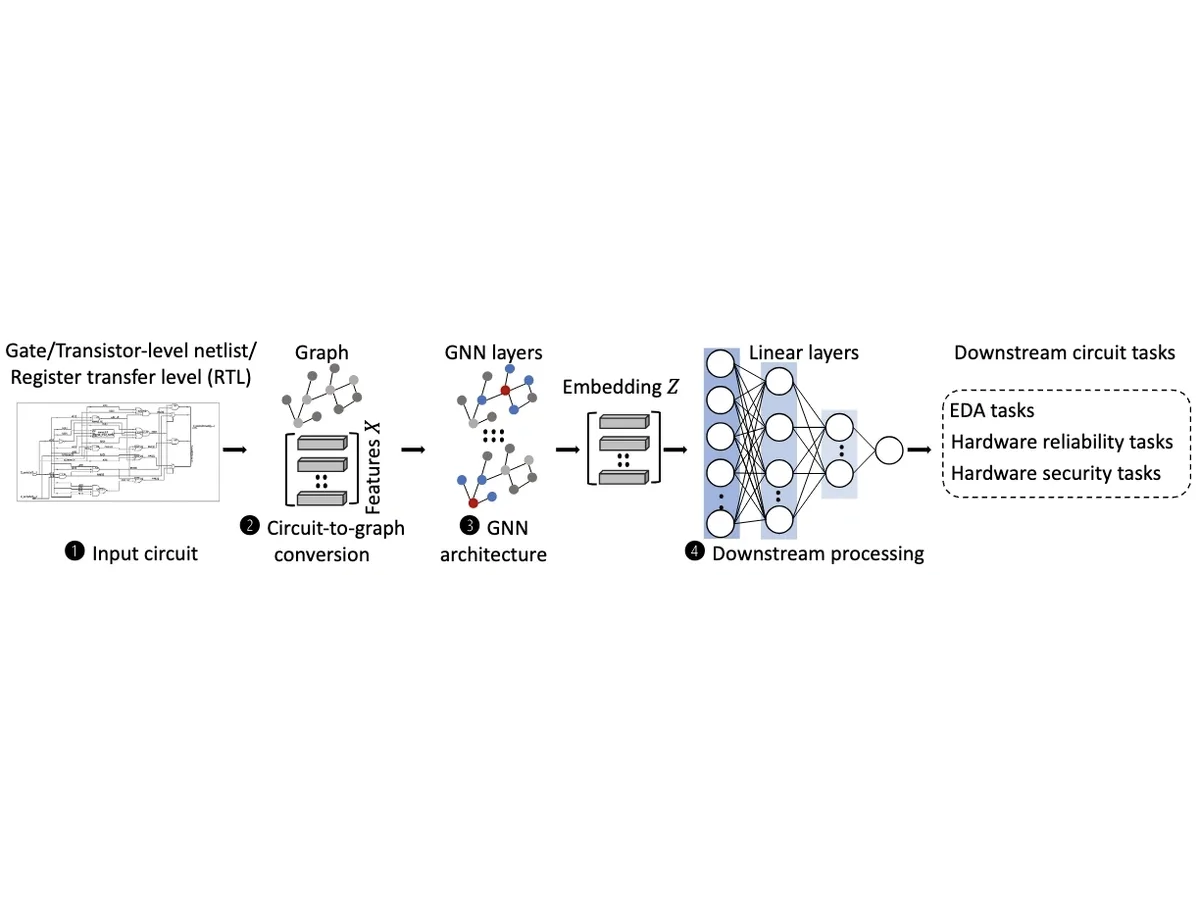
Graph Neural Networks for Integrated Circuit Design, Reliability, and Security: Survey and Platform
Graph neural networks (GNNs) have excelled in learning tasks for graph-structured data, including social networks, biology, and circuits. Their success in circuit-related tasks has fueled growing interest in applying GNNs to IC design. This project presents the first comprehensive survey of GNN applications in IC design, covering electronic design automation (EDA), reliability, and security. It introduces a generic GNN application flow spanning graph conversion, feature extraction, architecture selection, and task formulation, along with GNN4CIRCUITS, a customizable Python tool for researchers. The paper also explores open challenges and future research directions. Published in ACM Computing Surveys.
Paper: Graph Neural Networks for Integrated Circuit Design, Reliability, and SecurityGitHub: GNN4IC repository
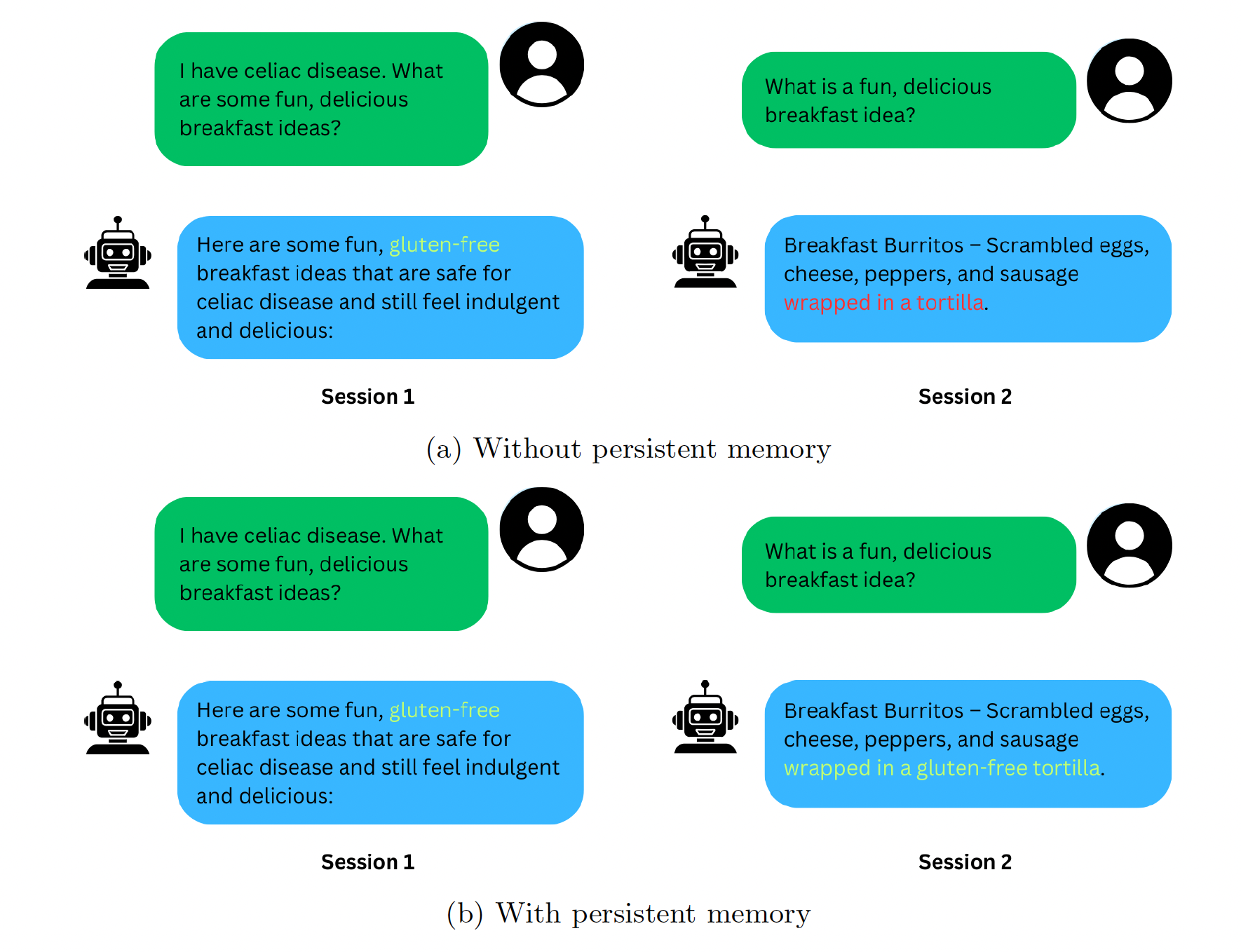
OMem: Dynamic Hybrid Retrieval for Long-Term Memory in LLM-Based Agentic Systems
For my MSc thesis, I developed OMem, which combines dense and sparse retrieval with fusion and reranking techniques to deliver (at the time) state-of-the-art memory retrieval in real-time, agentic systems. This research advances memory-augmented AI by improving factual consistency, adaptability, and persistent reasoning across extended interactions. Conducted with Oxtractor.
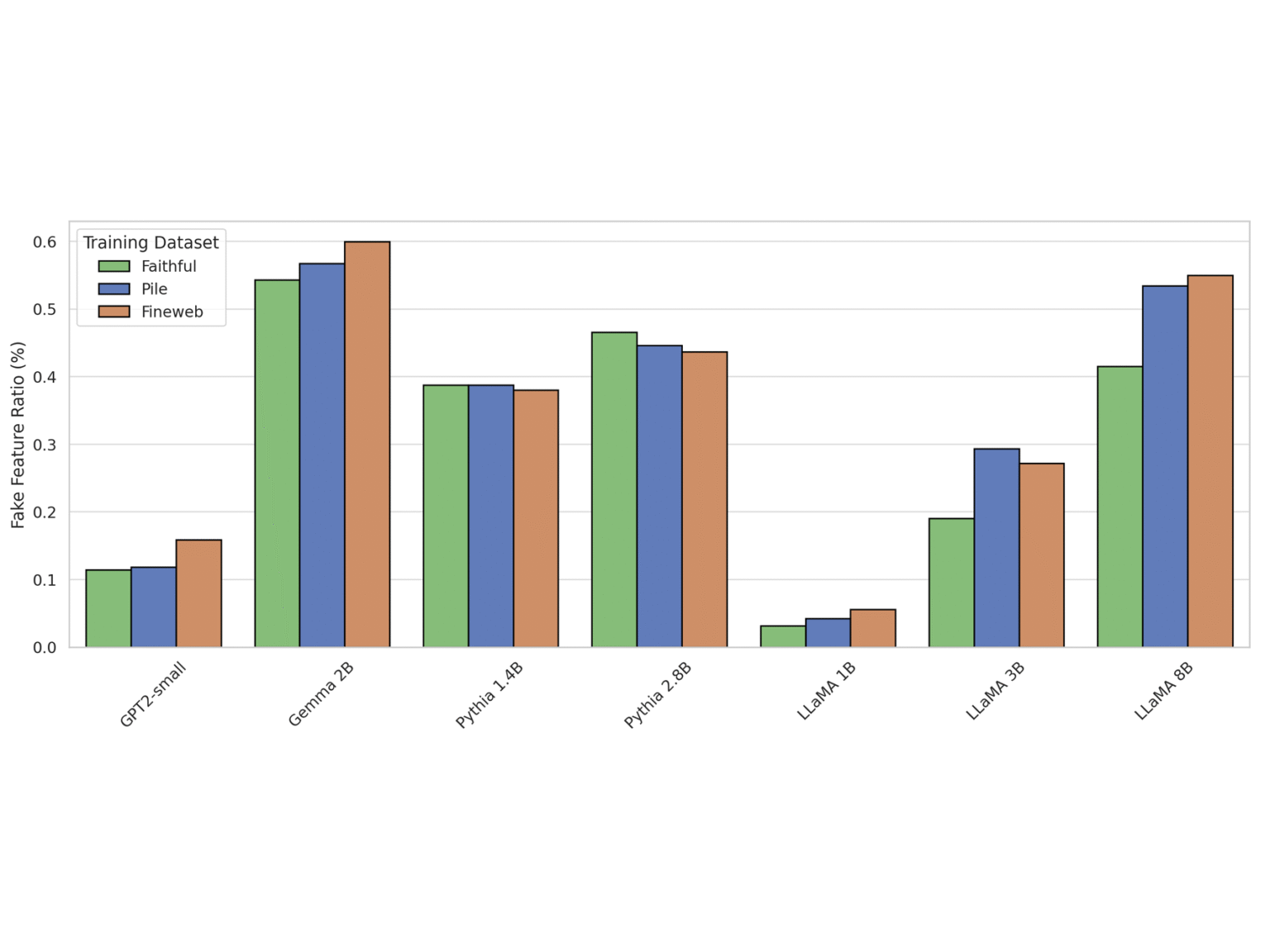
FaithfulSAE: Towards Capturing Faithful Features with Sparse Autoencoders without External Dataset Dependencies
Sparse Autoencoders (SAEs) have been used to break down LLM representations into human-readable features, but they suffer from two key issues: variability across different random seeds and a failure to recover genuine model-internal patterns. We believe these problems arise because SAEs are typically trained on external data, either scraped from the web or generated by another model, which can lie outside the LLM’s training distribution and produce “Fake Features” that don’t actually reflect its activations. To fix this, we introduce FaithfulSAE, which trains SAEs using data synthesized directly by the target model. By using its own, less out-of-distribution instruction outputs, FaithfulSAE yields far more consistent features across seeds, performs well on standard SAE probing benchmarks, and cuts the Fake Feature Ratio in 5 of 7 evaluated models, without relying on external datasets.

Bias Mitigation using Functional Inequalities for Regularization
In this paper, I introduce a bias mitigation framework for multimodal machine learning that leverages k-nearest-neighbors perturbations and multi-hyperparameter regularization using statistical entropy. By allocating separate regularization weights to each modality rather than relying on a single scalar, the approach affords finer control over fairness constraints compared to previous works. Empirical results on the Colored MNIST benchmark demonstrate that this method achieves 97.65% accuracy, an improvement of 1.4% over prior state of the art. The paper also extends the MMBias dataset to include additional demographic groups and a bias evaluation is performed on these groups using OpenAI’s CLIP model.

Spotify Reimagined
Redesigned Spotify to be more user-centered and accessible, implementing various human computer interaction principles. Conducted user experience research and used it to create a UI wireframe and prototype using Figma.
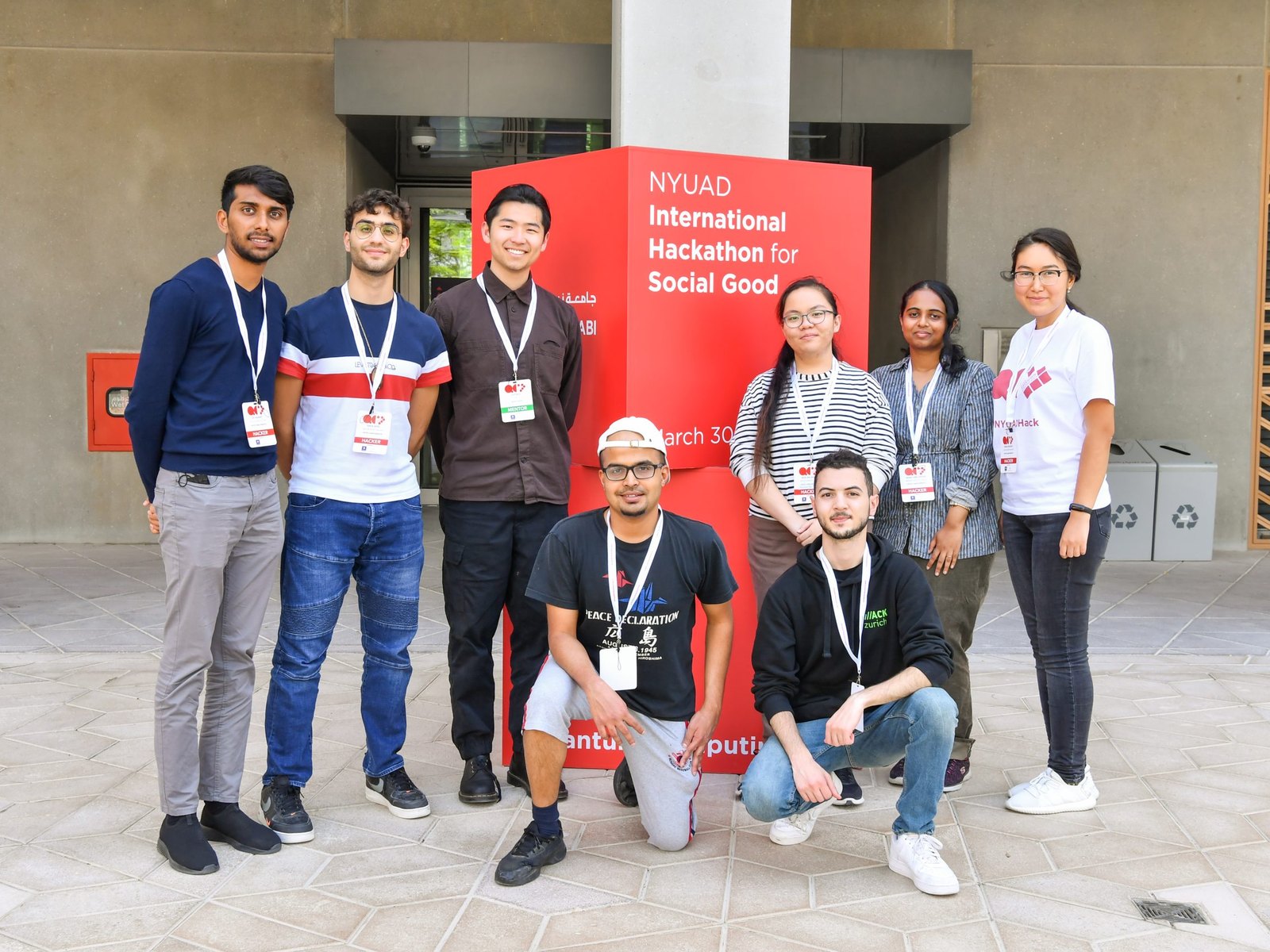
qSa’id: Quantum-ML-Assisted Diagnostic and Treatment Access Platform for Autism
The main aim of qSa’id is to cater to the needs of people with autism by providing a quantum approach for early screening and allocating resources efficiently among those who require them. qSa’id involves an efficient hybrid quantum-classical ML approach towards improving automated screening, and a parallel solution using QUBO to optimize placements of specialized treatment centers in a health system. Winner of Best Application of Social Good as part of NYUAD’s 2022 Hackathon for Social Good.